


A Guide to Coffee & Espresso Machines
Why not enjoy authentic Italian espresso, cappuccino with frothed milk, and other specialty espresso-based coffees at home as well as the café? With quality espresso makers, it’s easy to make these tricky drinks yourself. This guide will advise you which of the several types of machines on the market is best for you.

Capsule Espresso
Capsule espresso machines are increasingly popular for their efficiency and simplicity. They are ideal for those who want the choice of a wide variety of beverages with minimal time and effort. Just pour water into the reservoir, insert a capsule, and push a button to prepare your drink – it’s that simple! The machines are compact and attractively designed; the capsules are vacuum packed for freshness and contain the optimum amount of coffee. One must be careful, however, to choose the right capsule for the machine – many capsules are compatible only with machines from the same manufacturer.
Pros & Cons
|
|

Lever Espresso Machines
Compared with Capsules, lever espresso systems require more effort but lead to a more rewarding brewing experience. They are designed for experienced or dedicated coffee lovers who are committed to the process of brewing, from the bean to the finished cup. Steps include grinding the beans, tamping the grounds, setting the proper water flow, and pressurising the water using the lever. The reward of all this work is a cup of coffee that meets your exact requirements.
Pros & Cons
|
|
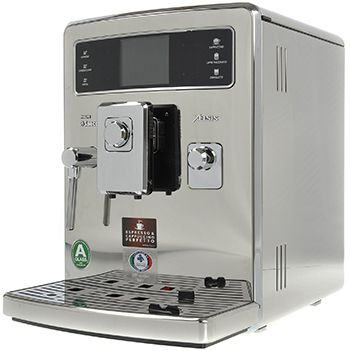
Automatic Espresso Makers
Automatic machines strike a balance between capsules and fully manual lever machines; they allow you to use your own beans, but still automate the brewing process. All you have to do is insert the beans and press a button – the machine measures the right amount of beans, grinds them to perfection, and pressuries the water. The major advantage is that you can use your favourite whole coffee beans without additional hassle, as well as automatic cleaning of grounds after each use.
Pros & Cons
|
|
Espresso Machine Parameters
- Power Consumption
Espresso machines that are quickly ready for use will have higher power consumption. This parameter does not affect the final quality of the coffee. - Pump
The pump determines the pressure during preparation of the espresso and is one of the most important factors in the final product. For quality espresso, you need a device with at least 15 BAR. - Grinder
Even the highest quality coffee can lose its distinctive aroma within 15 minutes of grinding. To ensure perfect taste, a built-in grinder is optimal. The best option is a ceramic grinder that does not overheat the coffee. - Nozzle
The nozzle is used for frothing milk – essential for fans of cappuccino or lattes. - Water tank
Preparation and cleaning are easier with a detachable water cistern. - Cup warmer
Cold or room temperature cups quickly cool the prepared beverage, so a heated surface is a great advantage. - Programming
Allows you to set the power, temperature, and amount of coffee, usually through an LCD display. Many coffee machines will allow you to program your favourite settings for instant recall. - Filter
Water should always be fresh and cold. The filter is the last step. - Pre-infusion
This helps develop a more intense flavour and aroma. - Daily capacity
To preserve lifespan, espresso machines have a limit on the number of cups they can brew per day.